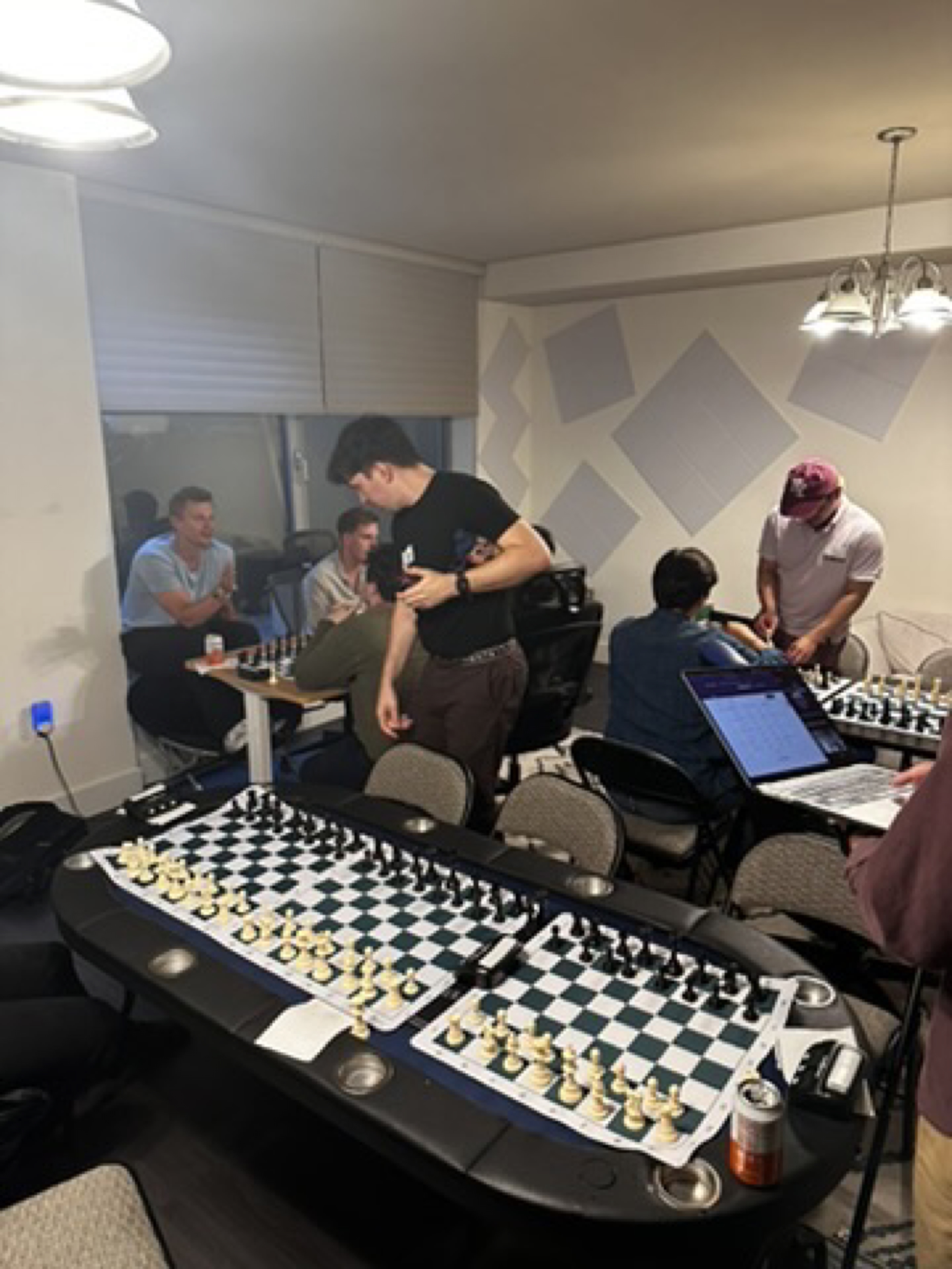
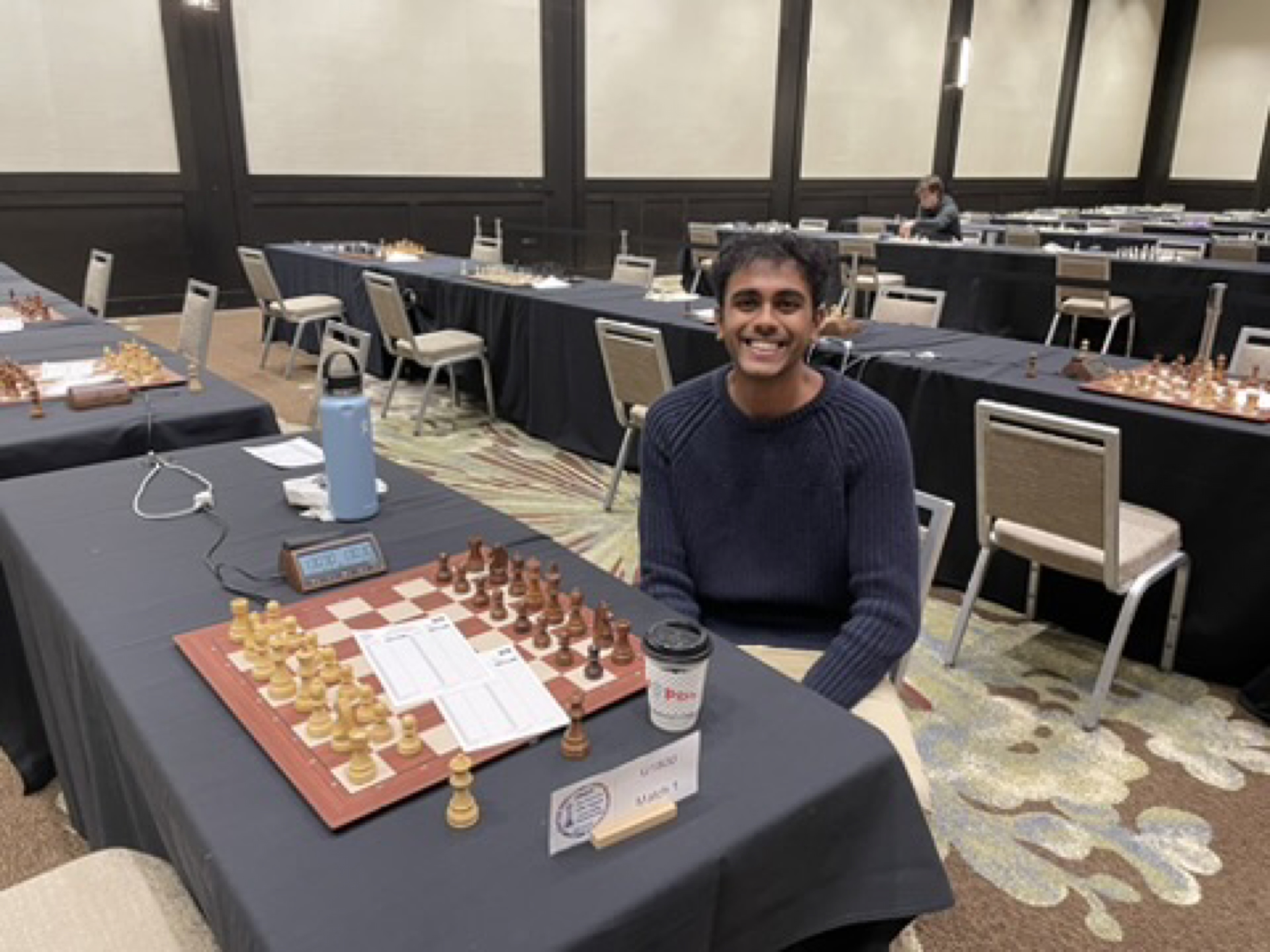
Ambitious adults
People who want to get genuinely stronger and enjoy working with someone who can think clearly about both the game and the person playing it.
Chess
This is personalized coaching for ambitious adults, athletes, and selectively public-facing clients who want strong competitive thinking, practical improvement, and a private setting that feels thoughtful rather than mass-market.
Who it’s for
The fit is strongest when the student values discretion, discipline, and thoughtful coaching over generic volume.
People who want to get genuinely stronger and enjoy working with someone who can think clearly about both the game and the person playing it.
Clients who already understand training, pressure, recovery, and competitive standards, and want chess coaching that respects that mindset.
People who prefer a more private, refined coaching relationship and do not want to be funneled into generic lesson packages.
What makes my coaching different
I care about how the student thinks, competes, and absorbs instruction, not just whether they have consumed enough material.
Pattern recognition matters, but games are won by making stronger decisions under imperfect conditions. The work is designed around that.
Different clients need different framing, pacing, and emphasis. I tune the coaching to the person rather than forcing everyone through the same system.
Preparation should hold up under pressure, time stress, and imperfect recall. I care about what survives in actual play.
The point is not just assigning work. It is staying close enough to the student that the work actually changes how they play.
Chess proof
I care more about coaching well than performing credentials, but credibility matters.
Captained a team that won the 2023 intercollegiate championship.
Ranked top 100 in U.S. age-group chess across many years.
I know what it feels like to prepare, perform, recover, and keep improving over time. That perspective shapes the way I teach.
How I coach
Simple structure, strong feedback, and a clear line from coaching to competition.
Understand where games are actually being lost: openings, calculation, practical nerves, endgames, or decision discipline.
Set a training direction that matches the student’s level, goals, style, and available intensity.
Use the student’s own positions and decisions as the main teaching material whenever possible so the improvement stays grounded.
Make sure improvement shows up in tournament play, not just in lessons or analysis sessions.
Private coaching
Share your level, goals, and what kind of support you are looking for. The right fit matters.